Source Modern Foldable Extendable Shoe Rack for Home Office Living Room
Compare 30 modern foldable extendable shoe rack options from verified suppliers. Explore various layer configurations, materials, and customization services to find the ideal storage solution for your residential or commercial needs; compare the available evidence and request quotations based on your requirements.
Key considerations
Products List






Comprehensive Sourcing Guide
Modern Foldable Extendable Shoe Rack Sourcing Guide
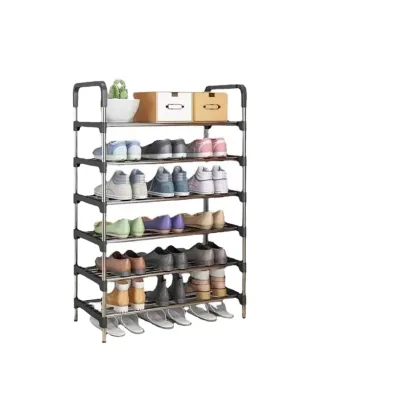
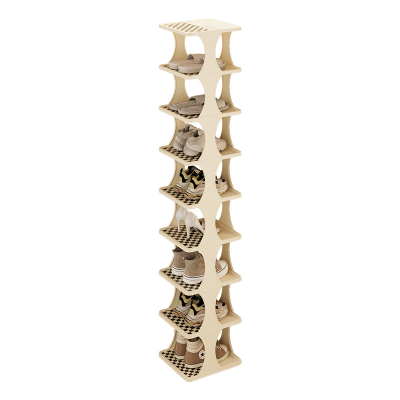
Sourcing modern foldable extendable shoe racks requires a clear understanding of the diverse product landscape available from manufacturers, particularly those originating from regions like Zhejiang, China. The market offers a wide array of configurations, ranging from simple single-layer units to complex multi-row systems with up to nine layers. Buyers must distinguish between basic storage solutions and those featuring advanced mechanical features such as convertibility and extendability. These functional attributes significantly impact the structural integrity and spatial efficiency of the final product, making it essential to align the selection with specific retail or residential use cases.
The observed product data indicates a strong emphasis on customization and modular design, with many listings highlighting OEM capabilities and tailored packaging solutions. Manufacturers often provide steel-based constructions that balance durability with the lightweight nature required for foldable furniture. Understanding the distinction between static shelving and dynamic, space-saving designs is crucial for procurement teams. This guide outlines the critical verification steps needed to ensure that the selected shoe racks meet both aesthetic expectations and functional requirements for modern home environments.
Product Scope and Observed Listing Signals
The current market signals reveal a broad spectrum of shoe rack designs, primarily categorized by layer count and structural flexibility. Listings frequently describe products as collapsible or foldable, with specific models offering dimensions such as 501229cm or 30-502618CM, indicating adjustable width capabilities. These variations suggest that buyers should prioritize products with adaptable footprints to accommodate different entryway sizes. The presence of keywords like "multifunction" and "convertible" implies that these units may serve dual purposes, such as integrating seating or additional storage compartments, which adds value for space-constrained modern homes.
Observations also highlight a trend toward minimalist and simple styles, often paired with traditional design elements to ensure broad appeal. Many suppliers offer brown carton packaging, which is standard for protecting the steel frames during transit, while others provide customized packing per customer request. The availability of OEM customization allows brands to imprint logos or alter structural details, catering to private label requirements. Buyers should carefully review the single package size and gross weight, as these factors directly influence shipping costs and handling logistics, especially when ordering in bulk quantities that may start as low as one piece or extend to thousands.
Technical Specifications to Verify
Verifying technical specifications is paramount when sourcing extendable shoe racks, as the mechanism for extension and folding must withstand repeated use without failure. Buyers should request detailed dimensional drawings to confirm the tolerance levels, which some suppliers specify as +/- 0.10mm, ensuring precise fit and stability. The material composition, typically steel, must be evaluated for thickness and coating quality to prevent rust and ensure longevity in high-traffic areas. Additionally, the folded state dimensions are critical for storage efficiency, so confirming the collapsed size helps determine if the product meets the claimed space-saving benefits.
It is also essential to verify the load-bearing capacity and the stability of the fence or side panels, which are often included in multi-layer designs to prevent shoes from falling. The single gross weight, observed around 2.000 kg for certain models, provides a baseline for assessing material density and structural robustness. Buyers should inquire about the assembly process, as some units may require on-site construction, while others arrive fully assembled. Confirming the exact model numbers, such as X840016 or X840010, allows for precise comparison of features across different supplier catalogs and ensures that the ordered items match the agreed-upon technical standards.
Compliance and Safety Documentation
While specific certification statuses are not universally listed, buyers must ensure that all shoe racks comply with relevant safety standards for home furniture. This includes verifying that the steel components are free from sharp edges and that the finish is non-toxic, particularly if the product is intended for households with children. Suppliers should provide material safety data sheets (MSDS) for any coatings or paints used on the steel frames to confirm compliance with international environmental regulations. Understanding the legal requirements in the destination market is crucial, as regulations regarding flammability and chemical emissions can vary significantly between regions.
Documentation should also cover the structural integrity of the extendable mechanisms, ensuring they do not pose a pinch hazard or collapse unexpectedly under normal use. Buyers should request test reports or compliance certificates from recognized third-party laboratories, especially if the product is marketed as heavy-duty or multi-functional. Clear labeling and instruction manuals in the target language are also part of the compliance package, aiding in proper assembly and usage. Proactively addressing these safety and regulatory aspects mitigates the risk of product recalls and enhances consumer trust in the brand.
Cost Drivers and Commercial Terms
The cost of modern foldable shoe racks is influenced by several key factors, including the complexity of the extendable mechanism, the thickness of the steel material, and the level of customization required. OEM services, such as logo printing or custom packaging, typically incur additional setup fees and may affect the minimum order quantity (MOQ). The observed MOQ range of 1-1000 pieces suggests flexibility for both small boutique orders and large-scale retail purchases, but buyers should negotiate volume discounts for larger commitments. Understanding the breakdown of costs helps in budgeting accurately and avoiding hidden charges during the procurement process.
Lead times are another critical commercial term, with sample lead times often cited as within 7 days, while mass production times can vary based on order size and supplier capacity. Buyers should clarify the production schedule and any potential delays due to material shortages or logistical constraints. Payment terms, shipping methods, and Incoterms also play a significant role in the total landed cost. Establishing clear commercial terms early in the negotiation process ensures transparency and helps in planning inventory replenishment cycles effectively, reducing the risk of stockouts or excess inventory.
Supplier Qualification and Quality Control
Qualifying suppliers involves assessing their manufacturing capabilities, quality control processes, and track record in producing foldable furniture. Buyers should verify the supplier’s service scope, which may include design, processing, assembly, and OEM support, to ensure they can meet specific product requirements. Requesting references or case studies from previous clients can provide insights into the supplier’s reliability and consistency. Additionally, conducting factory audits or hiring third-party inspection services can help verify production standards and identify potential quality issues before shipment.
Quality control measures should include rigorous testing of the folding and extending mechanisms to ensure smooth operation and durability. Buyers should define clear acceptance criteria for defects, such as scratches, dents, or structural weaknesses, and establish a process for handling non-conforming goods. Regular communication with the supplier during the production phase can help address any emerging issues promptly. Implementing a robust quality assurance plan protects the buyer’s brand reputation and ensures that the final products meet the expected standards of modern, functional home furniture.
Long-Term Procurement Checks
Long-term procurement success depends on establishing a sustainable relationship with suppliers who can consistently deliver high-quality products. Buyers should monitor supplier performance metrics, such as on-time delivery rates, defect rates, and responsiveness to issues, to identify potential risks early. Regular reviews of product performance in the market can provide feedback for continuous improvement and innovation. Building a diversified supplier base can also mitigate risks associated with single-source dependencies, ensuring business continuity in case of supply chain disruptions.
Additionally, staying informed about industry trends and technological advancements in foldable furniture design can help buyers stay competitive. Engaging in collaborative product development with suppliers can lead to unique offerings that differentiate the brand in the market. Maintaining open lines of communication and fostering a partnership mindset encourages suppliers to prioritize the buyer’s needs and invest in joint growth opportunities. By focusing on long-term strategic alignment, buyers can secure a reliable supply of modern foldable shoe racks that meet evolving consumer demands and market dynamics.
FAQs
How can I customize the logo on this shoe rack?
You can customize the logo through OEM services available for this product. The supplier offers design, processing, and assembly services to meet specific branding needs. This customization is suitable for home office use and allows for unique styling options.
What are the available dimensions for the shoe rack models?
Available dimensions include 50 by 12 by 29 cm and 30 to 50 by 26 by 18 cm depending on the model. Some units feature adjustable sizes to fit different spaces. These specifications ensure the rack fits various storage requirements in a home environment.
Can the shoe rack be installed on a wall?
Yes, the product supports wall-mounted installation for space-saving convenience. It is designed as a new condition item suitable for home use. The simple style and collapsible nature make it easy to mount securely in living rooms or entryways.
What is the minimum order quantity for this product?
The minimum order quantity ranges from 1 to 5 pieces for customized orders. Standard items may require up to 1000 units depending on the specific configuration. This flexibility allows buyers to test the product with small batches before scaling up.
How long does it take to receive a sample?
Samples are typically ready within 7 days of request. The supplier provides quick turnaround times for design and processing needs. This lead time ensures you can evaluate the steel material and folding features before placing a larger order.
Which materials are used to construct this shoe rack?
The shoe rack is constructed from durable steel material for longevity. It features a simple design with multiple layers for efficient storage. The sturdy build supports heavy loads while maintaining a modern aesthetic for home furniture applications.
What packaging options are available for shipping?
Standard packaging includes brown cartons or per customer request options. The single package size is approximately 38 by 6 by 46 cm with a gross weight of 2 kg. Customized packing ensures safe delivery of the collapsible and foldable units.